

Diesel Trucks Do Not Run Like They Used To
Three generations of towing work in Dallas. This track record has given our team a front row seat to how much diesel engines have changed. Trucks built before 2007 ran without a diesel particulate filter at all, while everything built since has to manage soot in a way older engines never did. That difference is exactly why a modern truck reacts so badly to being ignored, and it shows up regularly on the Dallas semi recovery calls we run.
Knowing what actually changed under the hood makes it a lot easier to understand why this problem exists in the first place.
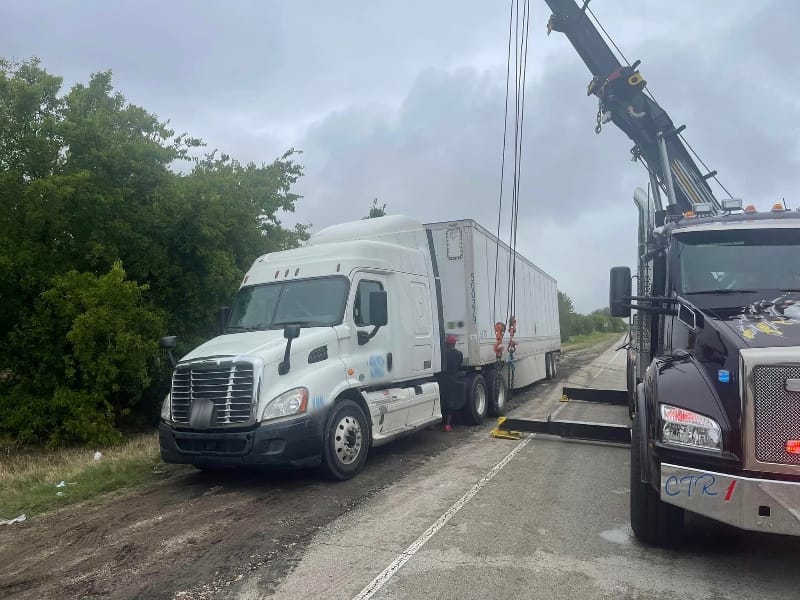
What Changed Under the Hood
Older diesel trucks sent soot straight out the tailpipe. So a rough idle or a puff of black smoke was often just cosmetic. Modern trucks handle that same soot with a filter that traps it and burns it off through a process called regeneration, which only works if the truck gets the right mix of heat and highway time.
- Pre-2007 trucks: no particulate filter, soot exits through the tailpipe, smoke was mostly a cosmetic issue
- Modern trucks with a DPF: soot gets trapped and burned off through regeneration, and skipping that process can force a real loss of power
Neither generation of engine is more forgiving of neglect, but a modern truck answers back a lot faster.
Why It Helps in Traffic
Short trips, stop-and-go interchanges, and heavy idling around the metroplex are exactly the conditions that keep a DPF from regenerating on its own. And it is one of the more common reasons we run a Dallas semi recovery call before a driver even reaches the highway. Without enough sustained highway heat, soot keeps building until the truck’s computer steps in and forces a derate to protect itself.
That pattern is behind a good share of the Dallas semi recovery calls we answer, and it is almost always traceable to a warning light that got pushed aside for one more run. Frequent low-speed driving can also interrupt regeneration before the filter gets a chance to clear enough soot. The truck may seem fine for a while, which makes it easy to keep putting the warning off. Once power starts dropping, the driver has fewer options and less room to work around the problem. Paying attention to those early signs can keep a routine traffic-heavy day from ending on the shoulder.
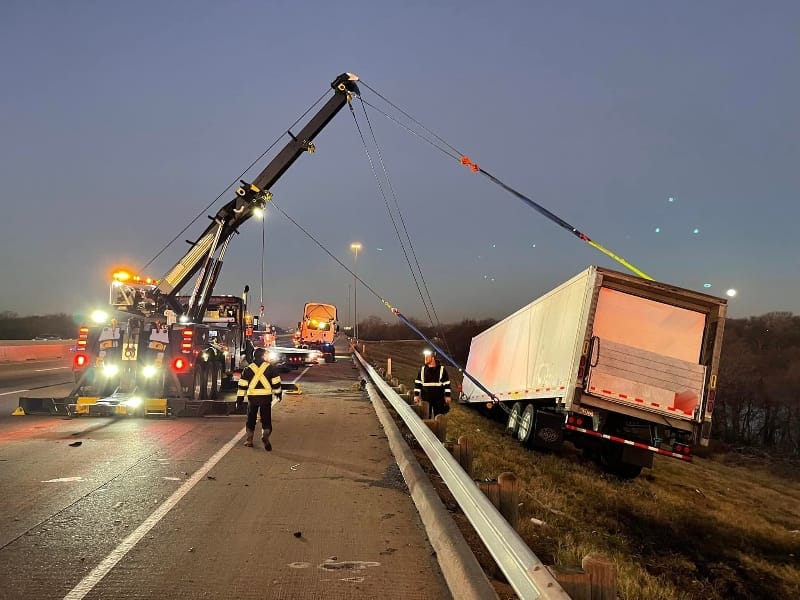
CTR Towing Service: Three Generations of Dallas Semi Recovery
CTR Towing Service has stayed a family operation through three generations, built by founder Kyle Chron and carried forward by a team with more than 75 years of combined experience in Dallas, answering Dallas semi recovery calls the whole way through. We stepped away from national ownership at one point and came back to being a hometown operation, because staying close to the Dallas community is what this business was built on, including every Dallas semi recovery call that comes through our dispatch.
Our low turnover means the crew answering your call has real years behind them, not a revolving door of new hires learning on the job. That experience is what shows up on a routine tow and on a full Dallas semi recovery alike, and it is part of why we back Toys for Tots and stay involved in the community that has supported us for decades.
FAQs
What does a DPF warning light mean?
It usually means soot has built up in the diesel particulate filter. The truck may need regeneration or further inspection.
Can a truck keep driving with a DPF warning light?
Sometimes, but the warning should not be ignored. If soot continues building, the truck may eventually reduce engine power.
What causes a diesel truck to enter derate?
A derate can happen when the truck’s computer detects a problem that could damage the engine or emissions system. DPF restrictions are one possible cause.
Does highway driving help clean a DPF?
It can. Sustained driving may create enough exhaust heat for the truck to complete regeneration, depending on the vehicle and system condition.
Why does idling contribute to DPF problems?
Long periods of idling can keep exhaust temperatures too low for normal regeneration. That may allow soot to accumulate faster.
What should a driver do if the truck loses power?
Move to an appropriate stopping location if possible and check the dashboard warnings. A shop should diagnose the cause before the problem gets worse.