From Flashing Lights to Clear Lanes
Crash recovery usually begins with more than a tow truck pulling up and grabbing the first damaged vehicle in sight. Police may be managing traffic, fire-rescue may be checking for hazards, and EMS may still need room to reach the people involved. During a Dallas accident recovery call, our first job is to read the scene and follow the lead of the responders already working there.
A damaged vehicle may need to stay in place while first responders finish their work. Photos, driver checks, debris, fluids, and lane control can all affect when we move in. We show up ready, position where we are told, and wait for clearance before we hook, pull, load, or sweep.
First Responders Manage the Scene
Police, fire-rescue, EMS, and roadway crews each have a role at a crash scene. Officers may handle traffic and reports. Fire crews may check for fuel, battery issues, or other hazards. EMS may need access before anyone starts moving vehicles or debris.
We fit our work into that response. If responders need space, we stay back. If a lane needs to open quickly, we may move a vehicle to a safer spot before finishing the full load. The order depends on what the scene needs, not what looks fastest from the outside.
What We Check Before the Hook Goes On
Once we get clearance, we look at the vehicle and the ground around it. We check wheel position, broken suspension, leaking fluids, loose parts, glass, bumper pieces, and anything dragging under the vehicle. Those details decide if we use a flatbed, wheel-lift, dollies, winch line, or another setup.
Traffic matters too. On Dallas accident recovery calls, a narrow shoulder or blocked lane can change how much work we do on scene. Sometimes the best move is to load quickly and finish smaller details at the yard. Other times responders want debris cleared before the vehicle leaves. We adjust to the call in front of us.
Cleanup and Traffic Flow Go Together
Debris cleanup is part of many crash calls. Broken glass, plastic, trim, metal, and absorbent material from fluid leaks can stay in the lane after the vehicle moves. Leaving that behind can create problems for the next driver through the scene.
On Dallas accident recovery calls, responders may tell us when cleanup should happen. A lane may need to open first. A spill may need attention before traffic moves. We usually keep brooms, shovels, absorbent, and basic cleanup supplies on the truck because crash recovery rarely ends at the hook.
Bigger Scenes Need More Coordination
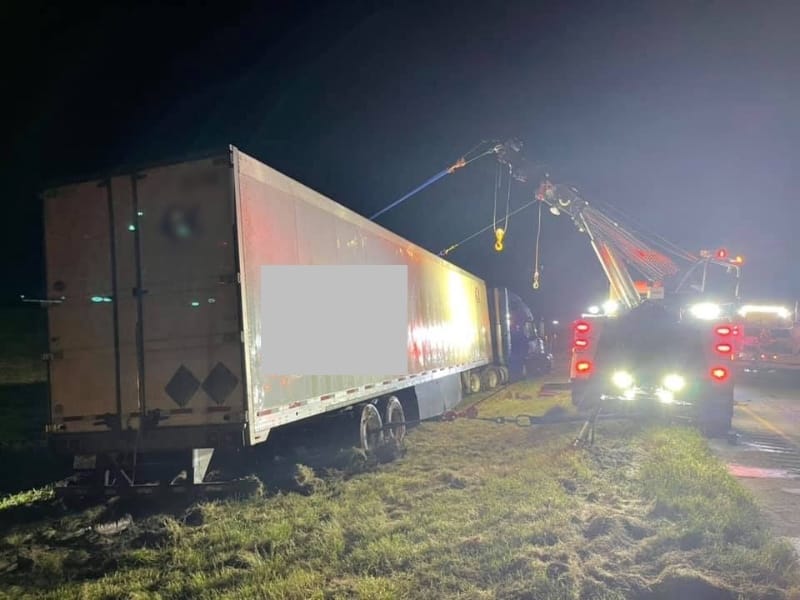
A small crash may need one tow truck and one officer. Larger scenes can involve several responders, multiple damaged vehicles, lane closures, and more than one wrecker. Heavy recovery work may also need room for a boom, winch line, or staged trucks.
That is where Dallas accident recovery depends on steady communication.
- We may stage nearby until a lane opens.
- We may move one vehicle first so responders can change the traffic pattern.
- If a larger unit is damaged, we may bring a heavy wrecker or extra truck so the recovery can happen without crowding the responders already on scene.
CTR Towing Service: Supporting Dallas Accident Recovery
CTR Towing Service brings three generations and 75 years of combined towing experience to local crash scenes, impounds, roadside work, light-duty towing, and heavy-duty recovery. Our Dallas accident recovery team works with police, fire-rescue, EMS, municipal agencies, and private customers when crashes need more than a basic tow.
We use flatbeds, wheel-lifts, and heavy wreckers based on the vehicle, damage, road position, debris, and responder direction. Every Dallas accident recovery call has its own order of work. Our job is to stay clear when responders need room, move in when cleared, and get the vehicle off the road with as little added confusion as possible.
FAQs
Who decides when a crashed vehicle can be moved?
The responder in charge decides when the vehicle is ready to move. Tow operators wait for clearance before loading, pulling, or cleaning up around it.
Why do tow trucks wait at crash scenes?
They may be waiting for police, fire-rescue, EMS, or roadway crews to finish their work. The truck can be ready before the scene is ready.
Can a tow crew help clean up after a crash?
Yes, tow crews often help with basic debris cleanup. Broken glass, plastic, loose trim, and small fluid spots may need attention before the lane can fully reopen.
What happens if my vehicle is leaking fluid after a crash?
Responders may check the leak first, especially if fuel, coolant, or oil is involved. The tow crew may use absorbent once they are cleared to work.
Why would more than one tow truck show up?
A larger crash may involve multiple damaged vehicles or a heavier unit that needs extra support. More trucks can help clear the scene in the order responders request.
Where is my vehicle taken after a crash?
It may go to a repair shop, storage lot, impound yard, or another approved location. The destination depends on police direction, owner choice, insurance, and vehicle condition.