The Roadside Reset
The first thing drivers often ask us after an accident is should I move the truck? That question comes up almost every time we handle Dallas semi towing after an accident. The answer depends on whether the rig is blocking lanes and whether anyone’s hurt. Because those first ten minutes after an accident set the tone for everything that follows.
Most drivers we work with don’t crash often. When it happens, adrenaline takes over and it’s hard to think clearly. We’ve seen drivers forget to set their air brakes or walk into traffic to check damage. A few have left their truck running with the door open. Small mistakes in those early moments can turn a manageable situation into something worse. Knowing what to do right after impact makes a real difference.
Check for Injuries and Call for Help Immediately
The first thing we tell drivers is to check themselves and anyone else involved. If someone’s hurt, call 911 before you do anything else. Even if injuries seem minor, get paramedics on the way. We’ve responded to accidents where a driver thought he was fine, then started feeling dizzy ten minutes later. Head injuries and internal trauma don’t always show up right away.
While you’re on the phone with dispatch, let them know you need Dallas semi towing if your truck isn’t drivable. Give them your exact location. On stretches like I-30 or Loop 12, mile markers help us find you faster. If you’re on a surface street, mention the nearest cross street. The sooner we know where you are, the sooner we can get a heavy wrecker out to you.
Secure the Scene and Protect Other Drivers
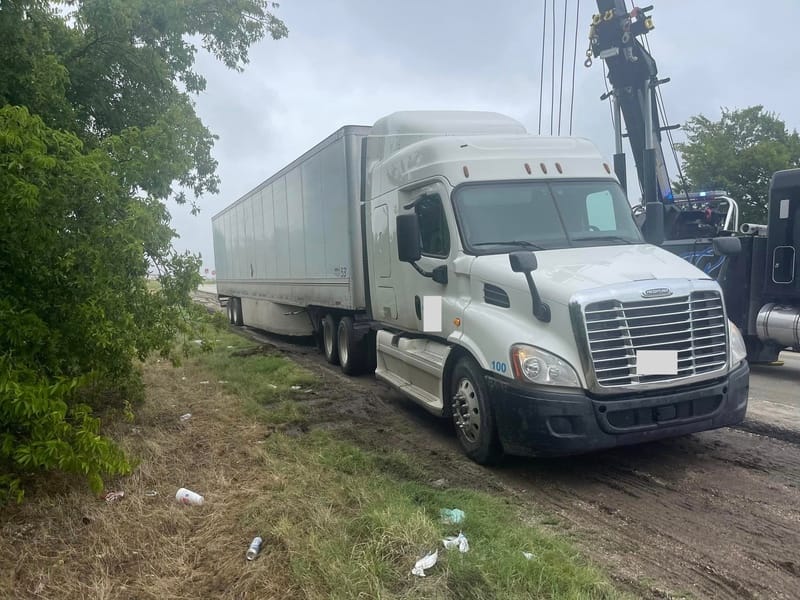
If your rig is blocking traffic and you can safely move it, pull onto the shoulder or into a nearby lot. If you can’t move it, turn on your hazards and set out triangles or flares if you have them. On busy roads like I-635 or US-75, other drivers don’t always see a stopped truck until they’re right on top of it. We’ve worked accidents where a second collision happened because the first truck wasn’t marked.
Don’t stand behind your trailer or walk around in traffic. We see this all the time. Drivers want to inspect the damage or grab something from the cab, and they step into a live lane without looking. If you need to get out, stay on the passenger side away from traffic. Wait for police or our Dallas semi towing crew to arrive before you start moving cargo or assessing the undercarriage. Your safety matters more than checking a bent axle.
Document Everything and Exchange Information
Once you’ve secured the scene, start taking photos. Get shots of all vehicles involved, the road conditions, any skid marks, and the position of your truck. If there’s debris or cargo spill, document that too. Insurance companies and fleet managers want to see exactly what happened. We’ve had drivers tell us later that they wished they’d taken more pictures.
Exchange information with the other driver if there is one. Get their name, insurance, and contact details. Write down the time and weather conditions. If there are witnesses, ask for their phone numbers. When police arrive, get the report number. All of this helps when you’re filing a claim or explaining the incident to your company. Our Dallas semi towing operators can help you gather information if you’re shaken up, but it’s better if you start the process yourself.
Why CTR Towing Service Handles Dallas Semi Towing the Right Way
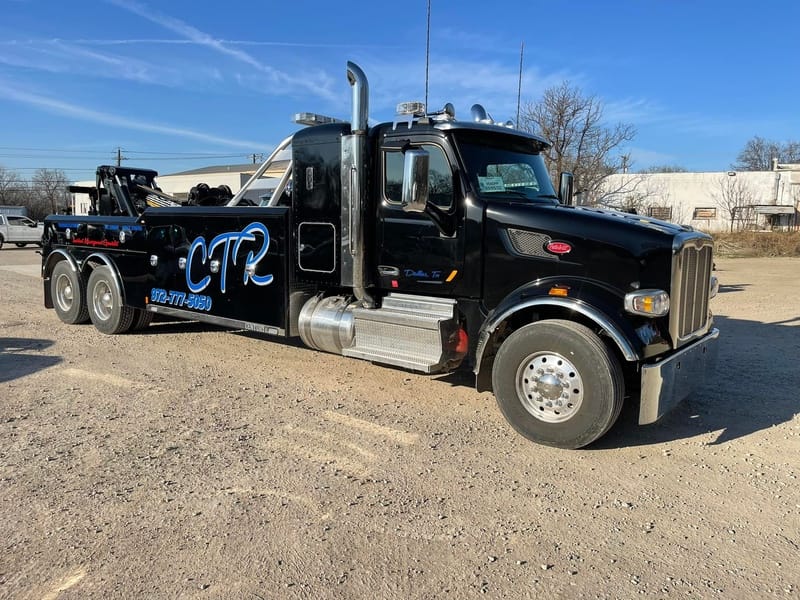
We’ve been running Dallas semi towing calls for three generations. Our crews know I-20, I-45, and every back route through the Metroplex. When a semi goes down, we don’t just hook it and drag it. We assess the load, check for leaks, and figure out the safest way to clear the scene without causing more damage. Kyle and the rest of our team grew up in this business, so we understand what drivers are dealing with after an accident.
Most of our calls come in during rush hour or late at night when visibility is low. We keep heavy wreckers staged around Dallas so we can respond fast. If your rig needs a flatbed or a rotator, we’ve got it. If cargo needs to be transferred, we’ll coordinate that too. We treat every truck like it’s our own because that’s how we were taught. When you need Dallas semi towing after a collision, you want a crew that knows what they’re doing and won’t waste time. That’s what we do.
FAQ
Should I move my semi after an accident if it’s blocking traffic?
If no one’s seriously injured and your truck can still roll, move it to the shoulder or a safe spot. If you’re not sure whether it’s drivable, leave it where it is and wait for help. Forcing a damaged rig to move can make things worse.
What if I don’t have flares or warning triangles?
Turn on your hazards and stay inside the cab if you can. If you have a reflective vest, put it on before you step out. Call for a tow truck right away so they can set up proper warning equipment when they arrive.
How long does it usually take for a heavy wrecker to show up?
Response time depends on where you are and what time of day it is. In Dallas, we usually reach most highways within 20 to 40 minutes. Surface streets can take a bit longer if traffic is heavy.
Do I need to stay with my truck the whole time?
If you’re in a safe spot and not hurt, yes. If standing near your rig puts you in danger, move to a safer location and keep an eye on it from a distance. Police or tow operators will need to talk to you.
What happens if my load shifts during the accident?
Don’t try to reposition cargo yourself. Wait for the tow crew or a cargo recovery team. Shifting freight can be dangerous, especially if it’s heavy or hazardous. Let professionals handle it.
Can I refuse a tow if I think my truck is still drivable?
You can, but if police or DOT inspectors say the truck isn’t safe, you’ll have to get it towed anyway. It’s usually smarter to let a professional check it out before you try to drive off.