The First Look at the Load
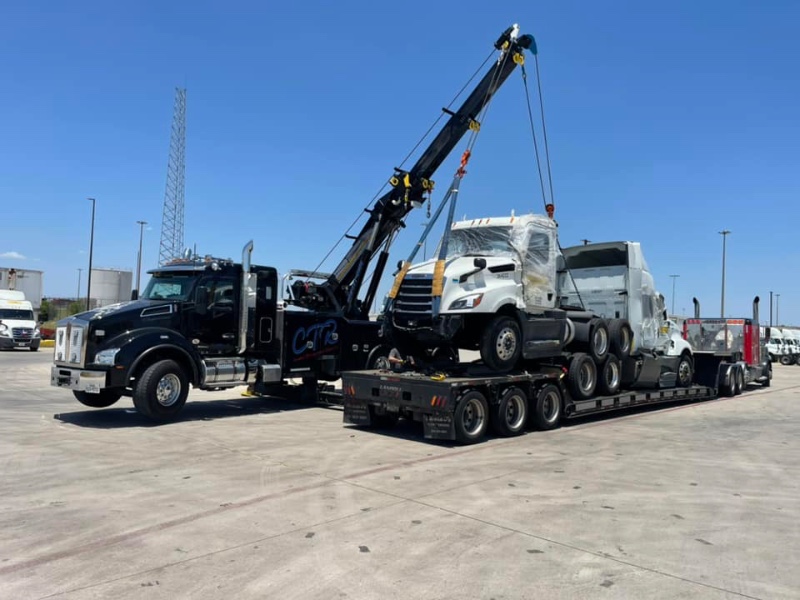
No matter how big your gear, heavy transports can be tricky. A vehicle that looks simple to move can still create problems. Weight is one part of it. Height, width, loose parts, weak tires, and a bad loading angle matter too. We would rather spend 20 extra minutes checking than fight a stuck trailer halfway out of a job site. A lowboy sitting crooked in a gravel lot off I-30 can tell us plenty before anyone even turn the key and starts a truck. We look at the machine, the ground, the tires, the ramps, and the exit path first. For any I-30 heavy transport, the job usually starts with measuring the load and figuring out what could go wrong before it does.
Serious Route Planning & Frequent Checks
The interstate does not make heavy hauling easy. It helps, but I-30 still has tight ramps, construction zones, rough shoulders, and busy frontage roads. One missed turn can put a long trailer where it has no room to swing. For I-30 heavy transport, we also look for lane closures, narrow overpasses, steep exit ramps, and spots where traffic backs up near fuel stations.
We check the route in pieces. The pickup point, the first mile, the highway stretch, the exit, and the final turn into the delivery spot. That last turn is where plenty of problems show up. A gate set too close to the road or a parked car near the entrance can slow the whole move.
We measure the load height before trusting paperwork. Equipment buckets, antennas, toolboxes, and folded attachments can change the numbers.
We also look at where the weight sits. Too much forward or too far back can make the trailer pull badly. Small adjustments matter once the truck is moving at highway speed.
The Details That Slow a Job Down
Permits can change the schedule. Escorts may be needed. Some loads can only move during certain hours, and weather can shut things down quick if wind or rain gets rough.
Heavy transports usually include the following checks:
- Load weight and dimensions
- Tire and brake condition
- Chain points
- Route clearance
- Fuel stops
- Turnaround room
- Backup route
A backup route sounds simple until a wreck blocks traffic for two hours.
Weather, Traffic, and Job Site Surprises
Rain changes a lot. A dry gravel lot can turn soft by lunch, and ramps get slick fast. We have seen machines spin halfway up a trailer because nobody cleaned mud off the tracks.
Traffic along I-30 can stack up around ramps and construction. That matters for I-30 heavy transport because a slow oversized load needs room. We plan around rush hours, school traffic, and busy delivery windows when we can.
Loading Takes Patience
Loading is rarely the dramatic part, but it is where the job is won or lost. We move slow, watch the angle, and stop when something looks off.
A few inches can change the balance. With I-30 heavy transport, we may reposition the load more than once before chaining it down. That is normal, not a delay.
CTR Towing Service Plans I-30 Heavy Transport With the Road in Mind
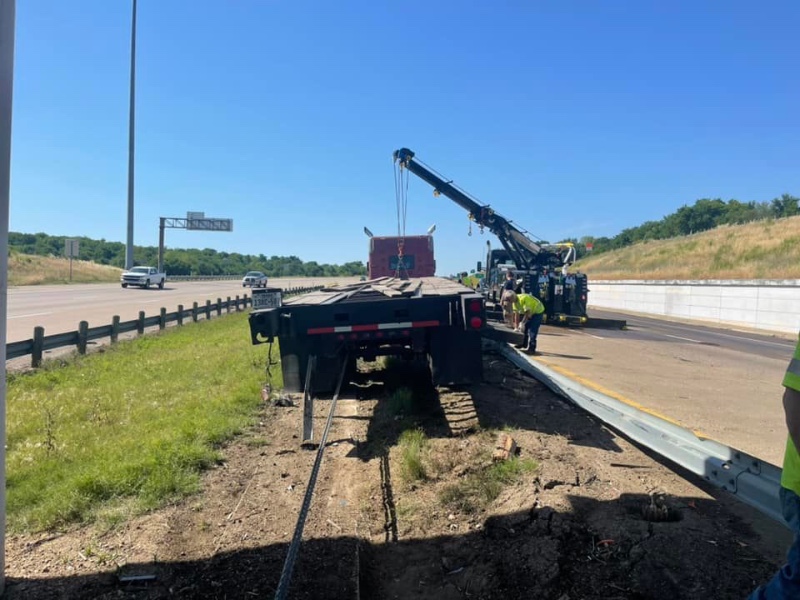
At CTR Towing Service, I-30 heavy transport jobs often come from construction sites, repair shops, farms, and roadside breakdowns. We move work trucks, equipment, containers, and heavy vehicles that need more planning than a basic tow. The planning keeps the move cleaner once the truck finally pulls out.
We see the same local issues over and over: tight gates, soft shoulders, blocked access roads, and drivers who only realize too late that a trailer needs more room. For I-30 heavy transport, the best work usually happens before the wheels turn. That is true on the interstate, on the frontage roads, and in those muddy lots just off the exit.
FAQs
How do you know what size truck is needed for a heavy haul?
We look at the weight, height, width, and how the load sits. The pickup area matters too, especially if the ground is soft or the exit is tight.
Can heavy equipment be moved if it does not run?
Yes, but it usually takes more setup. Winching, blocking, or loading help may be needed before the haul starts.
What can delay a heavy haul?
Permits, weather, traffic, low clearances, and blocked access points are common delays. A locked gate can slow things down too.
Do oversized loads always need escort vehicles?
No. It depends on the size of the load, the route, and permit rules.
Why does load balance matter so much?
Bad balance can make the trailer pull rough or overload an axle. A few inches can change how the whole rig handles.
Should I prepare anything before the truck arrives?
Clear access to the load if possible. Remove loose items, confirm the pickup address, and let the driver know about mud, slopes, or tight turns.