The Rollover Risks Behind the Wheel
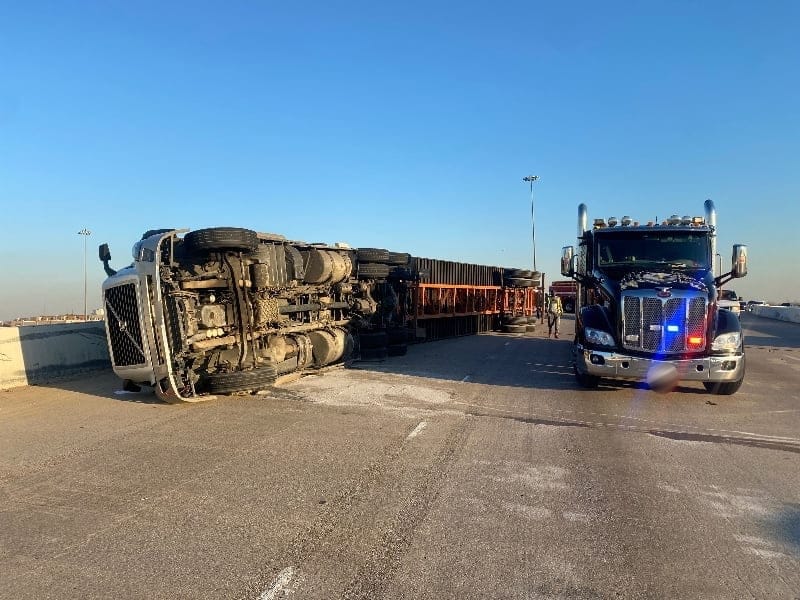
We spend a lot of time thinking about what keeps trucks upright and moving forward. Out on long stretches of highway conditions can shift quickly. A fully loaded rig behaves very differently than a passenger car, and small miscalculations can grow into serious problems. That’s where I-30 semi towing becomes part of the conversation, because rollovers are one of the most common calls we respond to.
We’ve seen how these incidents unfold, and they rarely come down to a single cause. It’s usually a mix of speed, load balance, road conditions, and driver decisions. Knowing what contributes to rollovers helps us all stay more aware and better prepared before things get out of hand.
Speed and Sharp Turns
Taking a curve too fast is one of the leading triggers for rollovers. A tractor trailer has a high center of gravity, so when speed increases, stability drops. Even a familiar exit ramp can catch someone off guard if they approach it too quickly.
We always remind drivers to slow down well before entering curves. It’s not about reacting in the moment, it’s about planning ahead. Gradual braking and steady steering keep the trailer grounded and predictable.
Improper Load Distribution
Cargo that shifts or sits unevenly creates imbalance. That imbalance pulls the trailer in ways that are hard to correct once motion starts. A top-heavy load increases the risk even more, especially during turns or sudden maneuvers.
Here are a few load-related factors we pay attention to:
- Uneven weight from side to side
- Loose cargo that can shift mid-drive
- Overloaded trailers beyond safe limits
A well-balanced load makes a noticeable difference in how the truck handles, especially over long distances.
Prevention Starts with Awareness
Avoiding rollovers comes down to consistent habits and attention to detail. We’ve worked with many drivers who take pride in their routines, and it shows in how they manage their vehicles day after day. Calls for I-30 semi towing often highlight what happens when those routines slip, even briefly.
Road conditions also play a role. Rain, wind, and uneven pavement can all influence stability. Staying alert to these changes helps drivers adjust before the situation escalates.
Driver Fatigue and Reaction Time
Long hours behind the wheel can dull reaction time. When fatigue sets in, even simple decisions take longer. That delay can be enough to miss a safe braking window or misjudge a turn.
We encourage regular breaks and staying hydrated. A clear head keeps responses sharp and reduces the chance of overcorrecting during critical moments.
Sudden Steering Movements
Quick, jerky steering inputs can destabilize a trailer. This often happens when drivers try to avoid obstacles or correct their position too abruptly. The trailer may begin to sway, and that motion can quickly lead to a rollover.
Smooth, controlled steering keeps everything aligned. It’s better to ease into adjustments rather than forcing them all at once.
How We Handle Rollovers at CTR Towing Service with I-30 Semi Towing Expertise
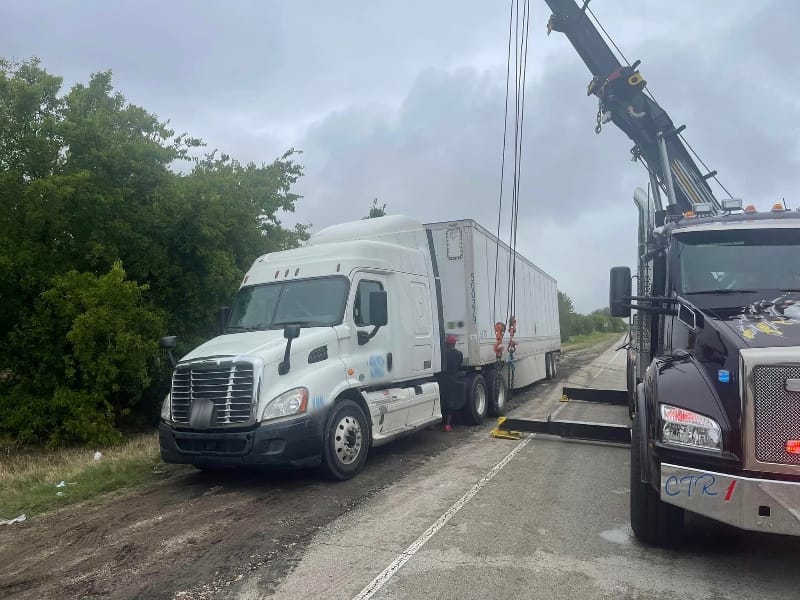
At CTR Towing Service, our I-30 semi towing team approaches every rollover with a clear plan and steady focus. Our experience with I-30 semi towing means we’ve handled a wide range of situations, from minor tilts to full trailer recoveries. Each call requires careful assessment before any movement begins.
We coordinate closely with drivers and, when needed, other responders on scene. Our goal is to stabilize the vehicle, clear the roadway, and reduce further risk. Along the way, we apply what we’ve learned from countless recoveries to guide safer practices moving forward. That’s why I-30 semi towing remains a key part of how we support drivers across this route, helping them get back on track after difficult situations. We continue to provide I-30 semi towing services with attention to detail and a steady approach that reflects the realities of the road.
FAQs
What is the most common reason a tractor trailer tips over?
Speed going into a curve is one of the top causes. A high center of gravity makes it harder for the trailer to stay stable when turning too fast. Even slight misjudgment can lead to loss of balance.
How does weather affect rollover risk for large trucks?
Rain reduces tire grip and increases stopping distance. Strong winds can push against the trailer’s side, especially when it is empty or lightly loaded. Both conditions require slower speeds and steady control.
Can tire issues lead to a rollover?
Yes, worn or underinflated tires can reduce traction and stability. A sudden blowout can also cause the driver to lose control. Regular tire checks help lower this risk.
What should a driver do if a trailer starts to sway?
Stay calm and avoid sudden steering. Gradually ease off the accelerator and keep the wheel steady. Sharp corrections can make the sway worse.
Does driver experience reduce rollover chances?
Experience helps with judgment and anticipation. Seasoned drivers tend to read road conditions better and adjust earlier. Good habits built over time play a big role.
Are empty trailers more likely to roll over?
In some cases, yes. Empty trailers can be more affected by wind and sudden movements. They may feel lighter but can still become unstable without careful handling.