
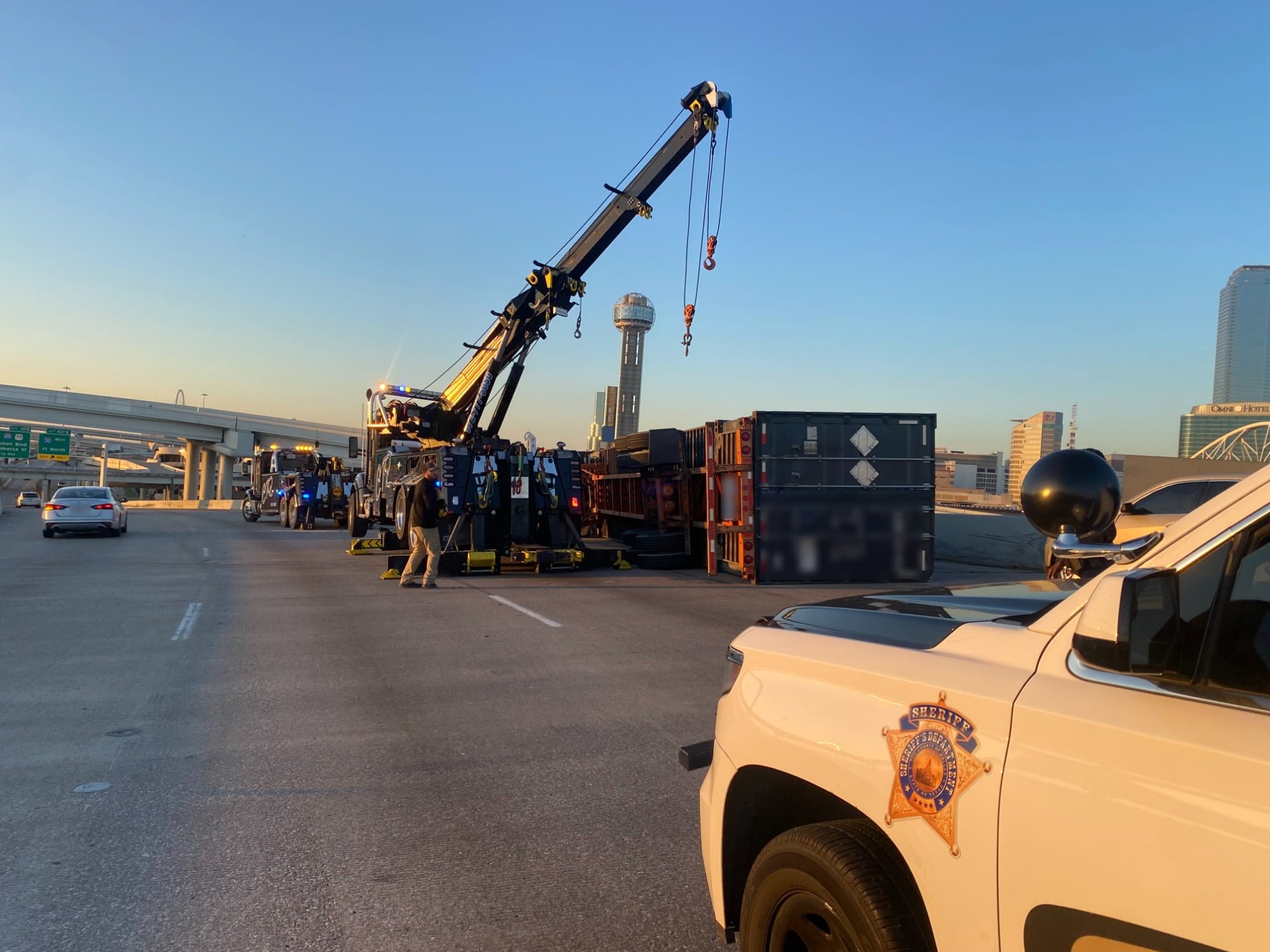
After a wreck, someone has to clear the lanes, move damaged vehicles, and clean up whatever spilled. CTR Towing handles accident recovery across Dallas, from passenger cars to loaded tractor-trailers. We clear collisions, upright rollovers, and recover cargo left on the road or shoulder. Our crews arrive with equipment sized for the scene and work alongside police and fire to restore traffic as safely as conditions allow.
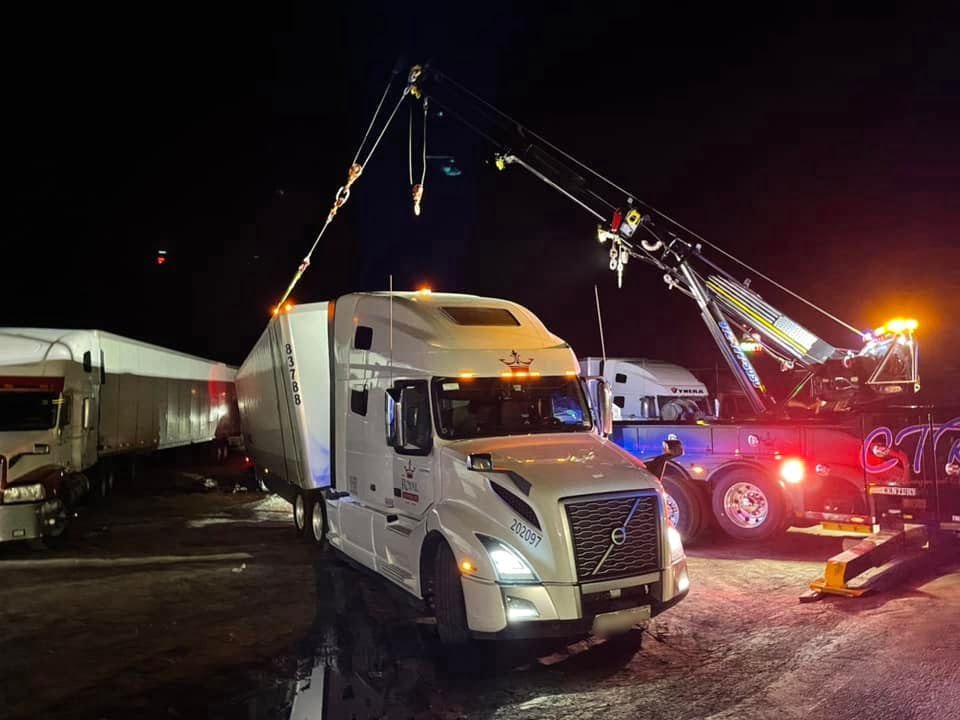
We answer accident calls 24 hours a day, and we don’t treat every scene the same. A fender bender on a side street needs a flatbed and a careful driver. A semi on its side across two lanes of I-35E needs rotators and a plan before anyone hooks up. We assess the scene, talk with on-site responders, and choose the approach that keeps everyone safe and limits further damage to the vehicle and cargo.
To learn more about our 24/7 Accident Recovery Service and to speak to a member of our team, call us at
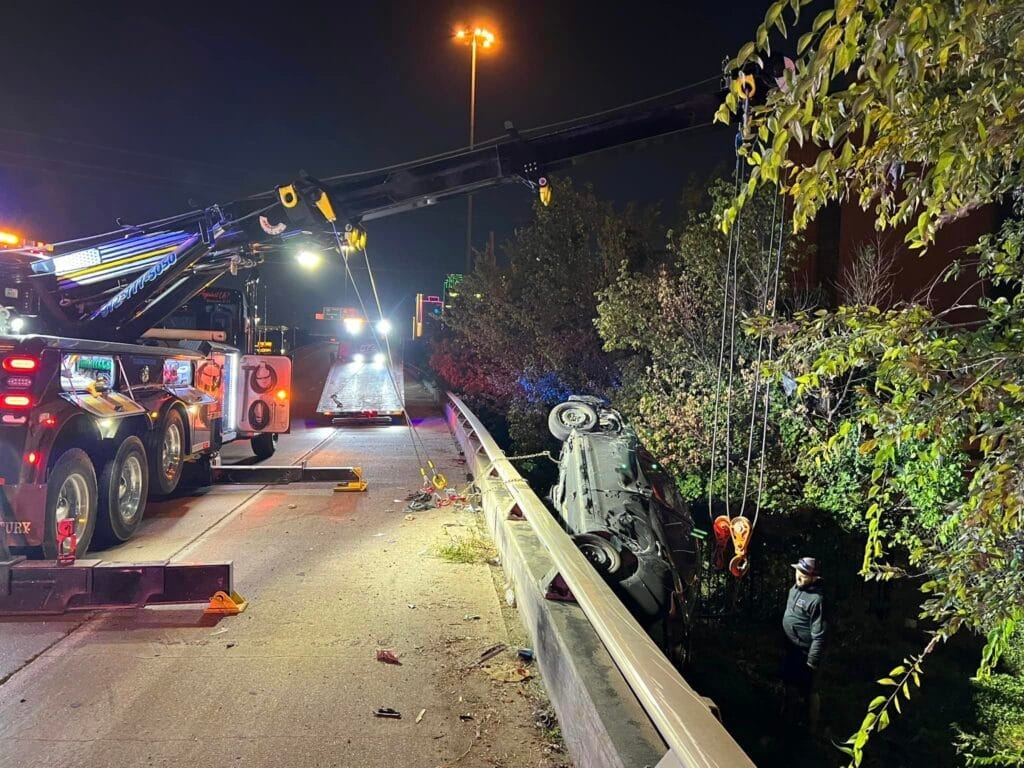
The right recovery depends on what’s in front of us. Vehicle size, damage, position, cargo, traffic, and terrain change how a recovery should go. A car nosed into a ditch might need one winch line. A box truck on its roof in a median might need two trucks working together to roll it back onto its wheels. Before we start, we walk the scene, look for hazards, and plan the rigging points and where each truck will sit.
That planning is what keeps a bad situation from getting worse. A rushed pull can tear open a fuel tank, crack a frame, or dump the rest of a load onto the highway. Our operators take the extra minutes to set up correctly, because doing it once is faster than doing it twice. We also keep you, your insurance adjuster, or your fleet manager updated on where the vehicle is going and what condition it’s in.

CTR Towing runs equipment for light, medium, and heavy duty recovery, so one call covers the whole scene, even when a crash involves more than one class of vehicle. That saves time on the roadside and keeps responders from waiting on a second company to show up. Here’s how that breaks down.

Most of the accident calls we take involve cars, SUVs, pickups, and motorcycles. We load damaged vehicles onto flatbeds so nothing drags or rolls, and we pull vehicles out of ditches and medians without adding to the damage.
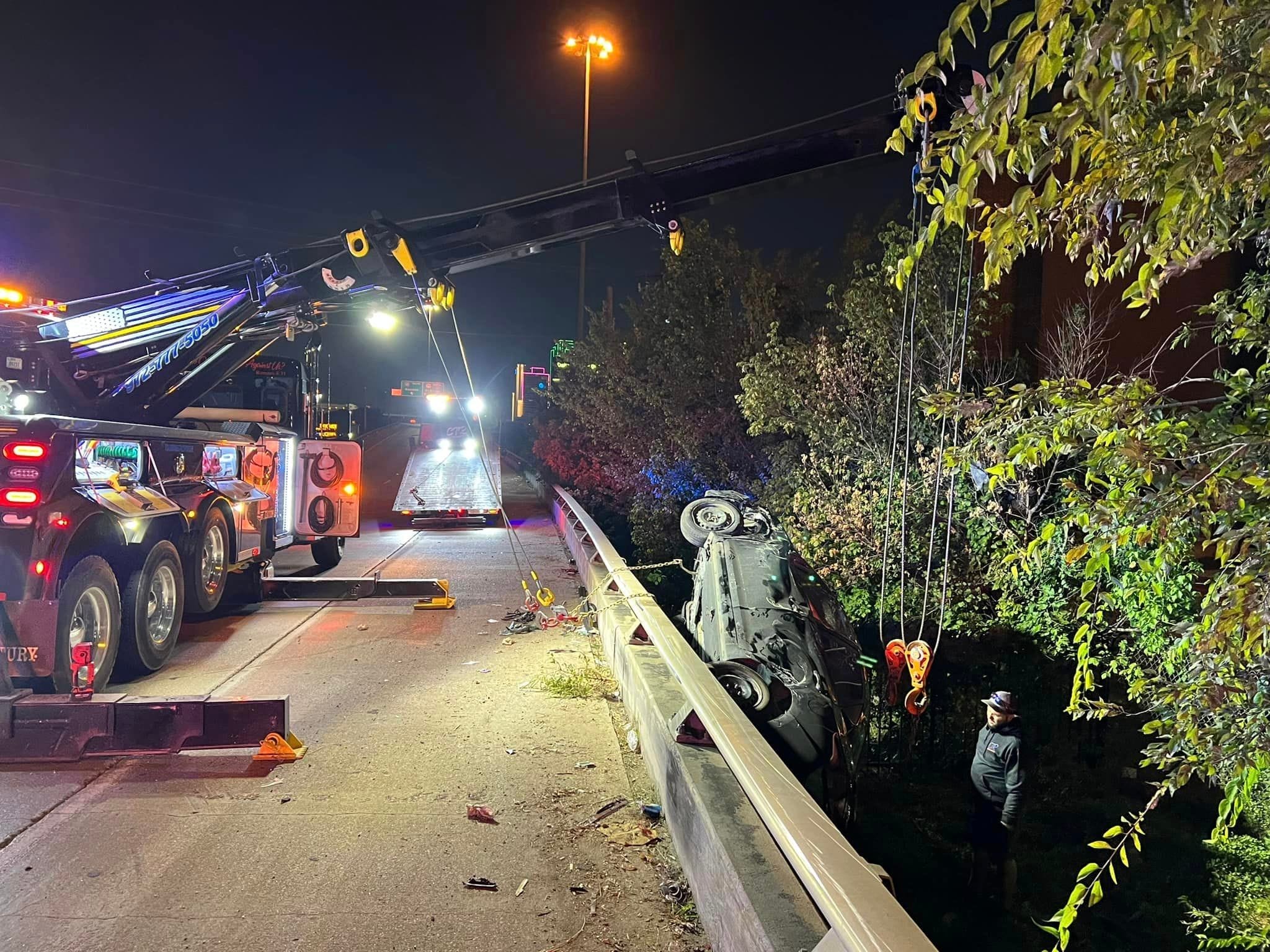
Box trucks, delivery vans, and work trucks carry more weight and often carry cargo or tools. Our medium duty towing crews use controlled winching and uprighting to get them back on their wheels and loaded for transport.
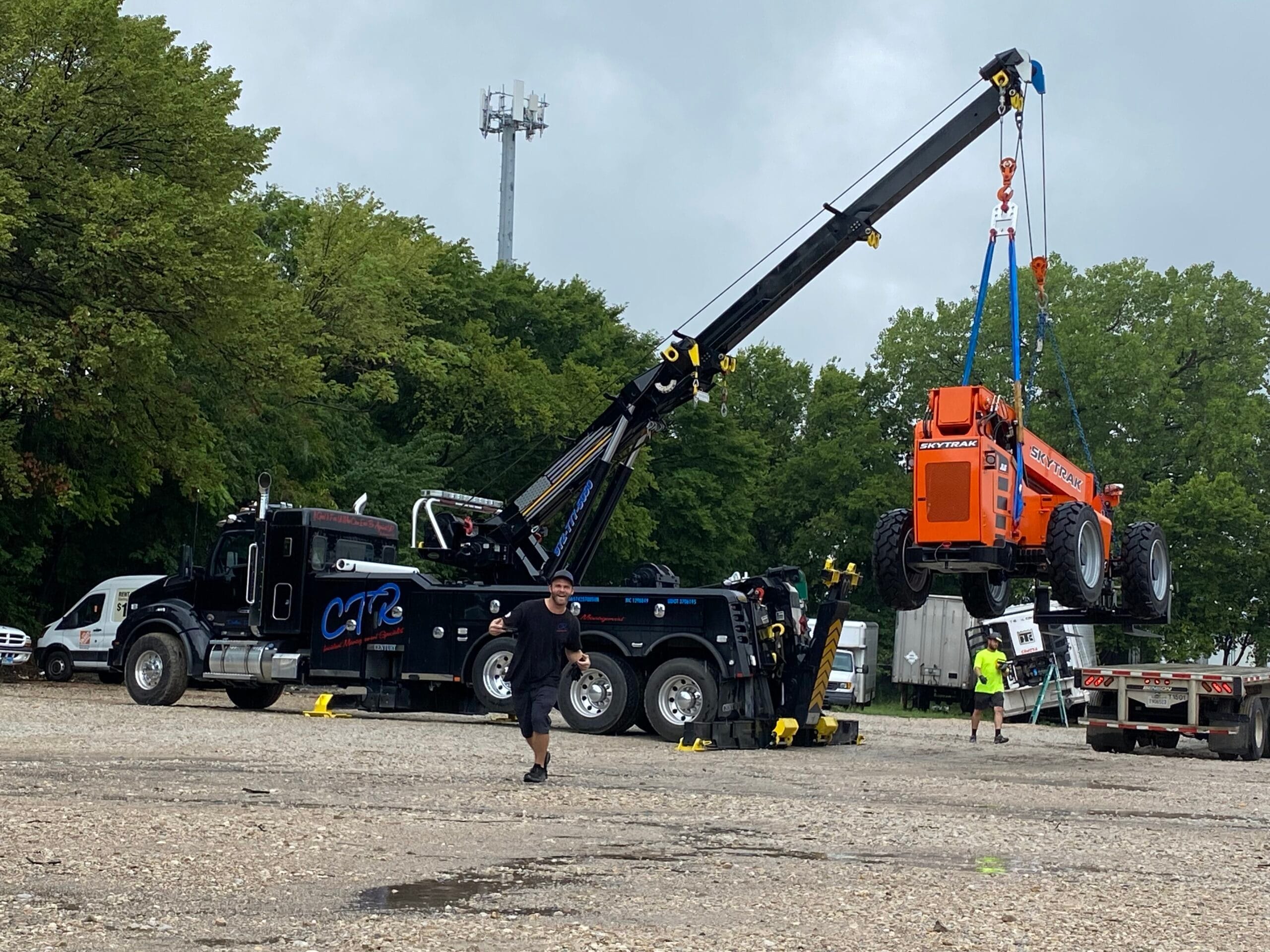
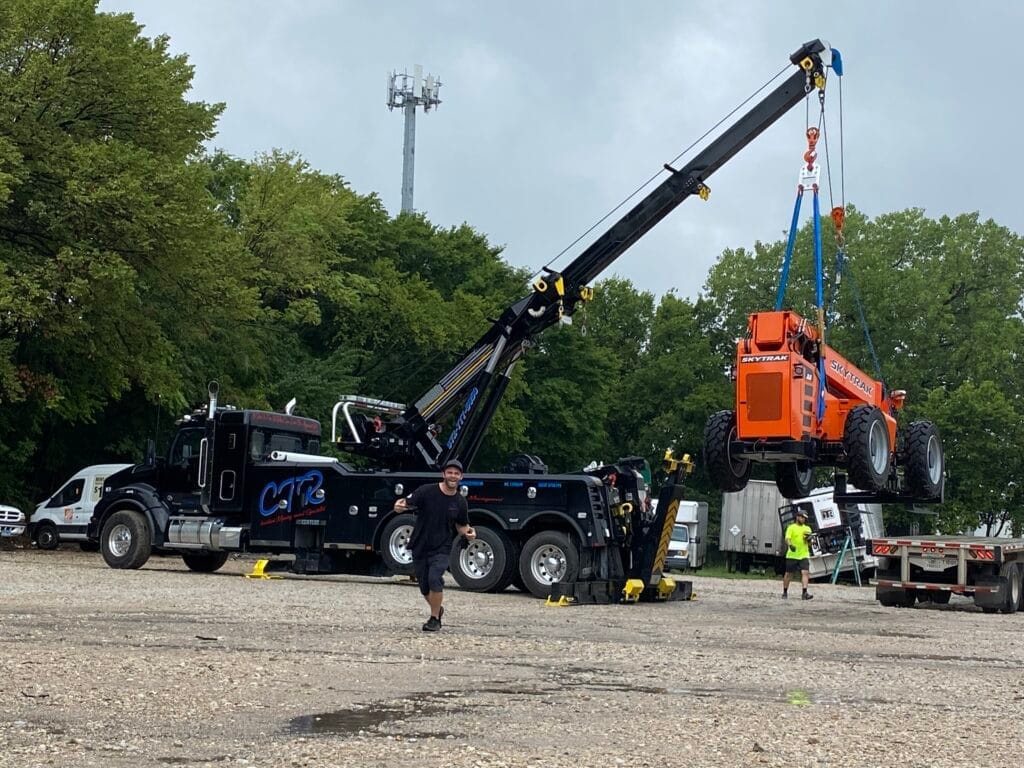
Our heavy duty crews run 35- and 50-ton rotators for rollovers, jackknifes, and embankment recoveries, and we can transfer or recover cargo when the load is part of the problem.
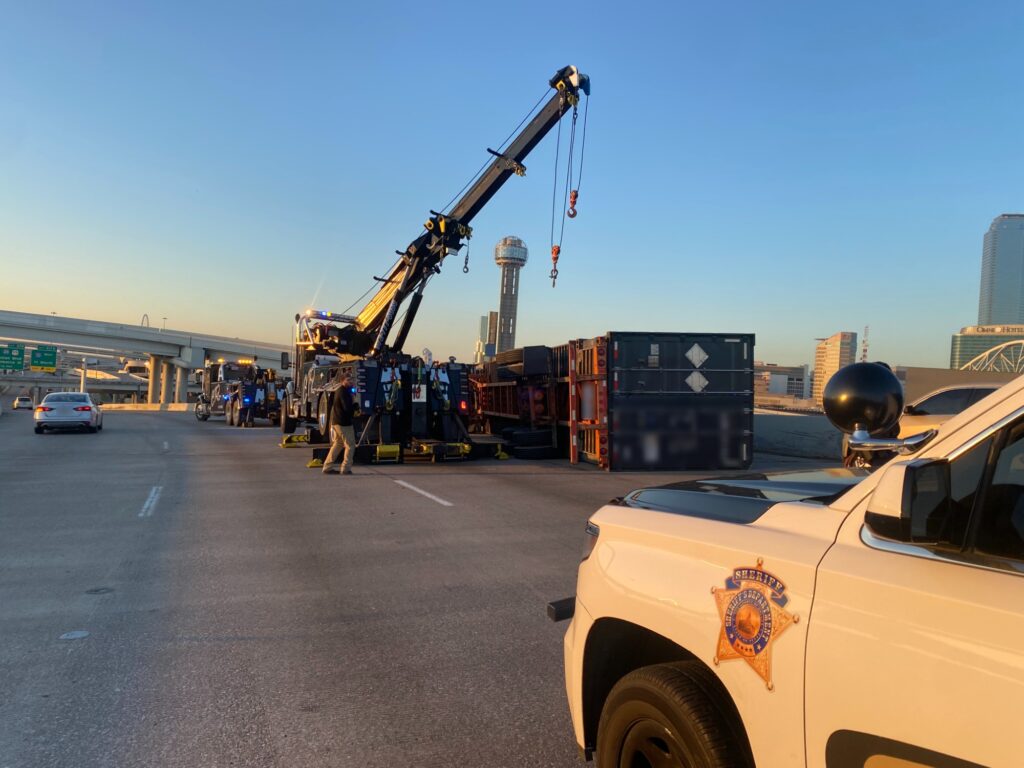
In a commercial truck accident, cargo can be harder to handle than the truck. A shifted load can make a trailer unstable to lift. Spilled freight blocks lanes and may need to be cleared by hand. Some loads, like produce, building materials, or liquids, require specific handling before the truck can move. CTR Towing plans for the cargo from the start, so the recovery doesn’t stall halfway through.
When a load needs attention, we can correct shifted freight, transfer cargo to a replacement trailer, or bring in additional equipment for offloading. For hazardous materials, we work with certified hazmat contractors and environmental responders instead of guessing. We get the truck, trailer, and freight off the road in the best condition we can, and we give the carrier and shipper a clear record of what was recovered and where it went.
An accident scene puts many people in a small space next to live traffic. Our crews follow incident command direction, set up equipment where it won’t obstruct traffic, and keep communication open until the road is clear.
CTR Towing regularly works alongside:


Dallas traffic leaves little room for error after a wreck. We respond to accidents on I-35E, I-30, I-635, I-20, US-75, and the Dallas North Tollway, as well as surface streets, construction zones, and industrial areas around the city. Knowing these roads means knowing where to stage trucks, which shoulders are too tight for a rotator, and how traffic backs up around a closure at different times of day. That local knowledge shortens the time lanes stay blocked.
Being local also keeps things simple. CTR Towing runs out of Dallas, not a call center three states away, so the person who answers can tell you what’s being sent and roughly when it’ll arrive. After the recovery, we can take vehicles to our yard, a body shop, a dealership, or a carrier’s terminal. Drivers, fleet managers, and insurance adjusters can reach us around the clock with questions.
After a wreck, you want one call that handles the whole thing. Here’s why Dallas drivers and fleet operators call CTR Towing first.