Delivery Vans, Box Trucks, & Co.
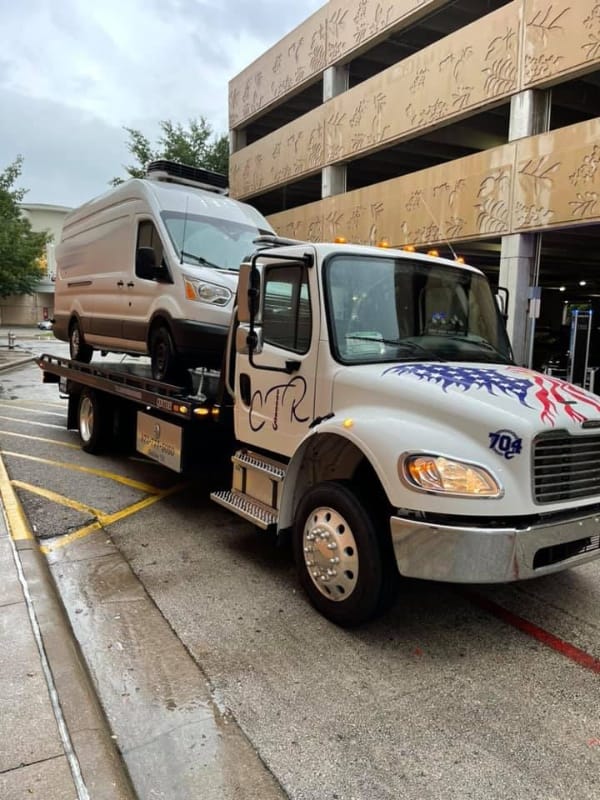
Medium duty towing sits in that busy middle zone where the vehicle feels “workday normal” until it stops moving. We often hear the same surprise: a box truck looks manageable, so it must tow like a big pickup. In practice, Dallas box truck towing asks for planning around weight, wheelbase, and how the truck’s load shifts on a tilt or wrecker. We approach these calls with a simple goal: move the vehicle without adding new problems. That means we check the stance, look for leaks, confirm steering and brake behavior, and think through the route before we hook up. Traffic patterns, low clearances, and tight lots shape the whole job, so we treat the pickup point as part of the tow, not a quick stop.
Wheelbase Changes Everything
Longer wheelbases behave differently on turns, ramps, and uneven pavement. We watch for tail swing, steep driveways, and curb edges that can catch steps, bumpers, or liftgates. If we control those angles from the start, the rest of the tow stays calm and predictable.
Loads, Boxes, and Shifting Weight
A work truck rarely travels empty, and cargo weight does not always sit evenly. We pay attention to lean, squat, and anything that hints at an off balance load. Even a small shift can change how the truck rides once it’s moving behind the tow unit.
What Brings Delivery Vans and Box Trucks to a Stop
Most medium duty calls start with a practical problem: the vehicle can’t keep earning today. We see overheating on long routes, dead batteries after repeated stops, brake troubles from heavy use, and flats that turn into wheel damage. On the days the schedule feels packed, Dallas box truck towing often becomes the fastest way to reset the plan and protect the vehicle from more wear.
We also see trucks stuck in places designed for smaller vehicles. Loading docks with sharp angles, alleys with tight exits, and apartment complexes with narrow lanes create headaches fast. If a driver tries to “power through” a bad angle, tires scrub, bumpers scrape, and the truck can end up pinned. That’s where Dallas box truck towing helps, because we can control the truck’s movement in inches instead of guesses.
The Checks Before the Move
We keep our process steady so the tow stays smooth from hookup to drop off. Here’s what we typically review on scene:
- Tire condition and any wheel damage
- Leaks, hanging parts, and loose cargo doors
- Ground clearance at the pickup point
- Best exit path from the lot or dock
- Destination access for a clean drop off
During these checks, Dallas box truck towing turns into a problem-solving job more than a simple pull and go. We want the vehicle to arrive ready for the next step, not with fresh scuffs and new surprises.
CTR Towing Service Offers Dallas Box Truck Towing for Working Fleets
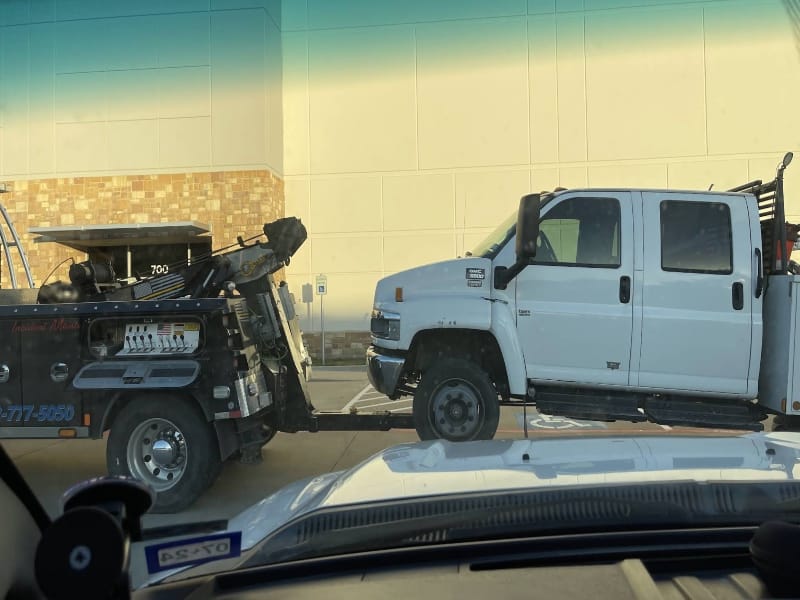
At CTR Towing Service, we spend a lot of time around the vehicles that keep Dallas moving. We handle towing delivery vans, box trucks, and work vehicles with an eye for the details that matter on busy days, like quick access at docks and careful routing through tight areas. Dallas box truck towing often starts with a short conversation, because a few specifics about the truck and the location help us set up the right approach from the first minute.
We also keep our focus on the practical outcome: getting your work vehicle to the right place for repairs, storage, or the next handoff. We offer medium duty towing support for the trucks and vans that fill daily routes, service calls, and deliveries across the Dallas area. If you need Dallas box truck towing, we show up ready to manage the weight, the space, and the real world conditions around the truck, so the tow stays controlled from pickup to drop off.
FAQ
What counts as medium duty towing?
Medium duty towing usually covers vehicles that sit between light passenger cars and heavy tractor trailers. Think delivery vans, box trucks, utility trucks, and similar work vehicles that carry cargo or equipment.
Can a loaded work truck be towed, or does it need to be unloaded first?
A loaded truck can often be towed, but the load matters. Weight distribution, secure doors, and any shifting cargo affect how the vehicle rides during the tow. If cargo looks unstable or unsafe, unloading or reworking the load may be the best first step.
What information should I have ready when I call for a tow?
Share the vehicle type, approximate weight class if you know it, and what happened right before it stopped moving. Also mention any leaks, wheel damage, or if the truck is stuck in a tight spot like a dock, alley, or parking garage entrance.
Is it okay to keep trying to drive a work vehicle that is overheating or losing power?
It is usually a bad idea. Continued driving can turn a small issue into major engine damage. If you see warning lights, smell burning, or the truck starts pulling hard to one side, stopping and calling for help often reduces repair costs.
How should I prepare a delivery van or box truck for towing?
If it is safe, move it to a spot with room around the front and rear. Put it in park, set the parking brake if it still works, and turn on hazard lights. Close and latch cargo doors, and remove loose items from the cab.
Where can a towed work vehicle be dropped off?
Most can be dropped at a repair shop, yard, or fleet facility as long as there is access for a tow unit and space to unload safely. If the destination has gates, tight turns, or limited hours, share that early so drop off goes smoothly.